Few cuts inspire the devotion that beef ribs do. From Texas smokehouses to Korean grills to the fire pits of southern Brazil, a rack of beef ribs sits at the center of barbecue culture around the world. Thick bones, deep marbling and a crust that gives way to juicy, tender beef make it one of the most flavorful cuts there is.
It is also one of the least forgiving. Exceptional beef ribs take quality beef, steady heat, precision and, above all, time. Rush them and they turn out chewy. Respect the process and the meat gives way at the lightest touch.
In Brazil, that respect has a name: costela. Prepared the Brazilian way, over open flame with little more than salt, beef ribs become a tradition rather than a recipe, and one best experienced at a traditional Brazilian steakhouse where the craft is practiced every day. Here is our guide to what beef ribs are, how Gauchos have cooked them for generations, what it takes to get them right, and where to taste them at Terra Gaucha.
Understanding Beef Ribs and Their Characteristics
Beef ribs come from the rib cage of the animal, and the name covers more than one cut. These are the three you will hear about most.
Short Ribs
Taken from the lower rib cage and cut into thick, meaty pieces, short ribs carry the most beef on the bone. They are also the most generously marbled of the group, which is why they stand up so well to hours of cooking.
Back Ribs
Back ribs come from the upper rib cage, the same area that gives us ribeye and prime rib. Once the roast is removed, the bones are left with a thin layer of meat between them. There is less of it, but the flavor right next to the bone is hard to beat.
Spare Ribs
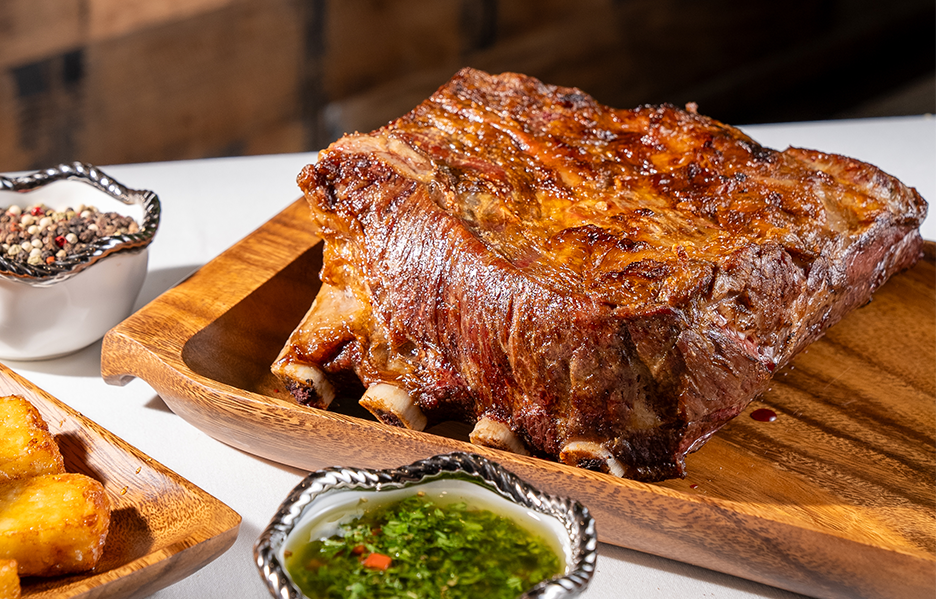
Spare ribs, often called plate ribs, are the long, flat rack from the lower rib cage, left whole instead of cut into short pieces. Layered with fat and meat, they are the cut behind those big, dramatic racks barbecue fans love.
What ties all three together is richness. Beef ribs are woven with marbling and plenty of connective tissue, mostly collagen. Cooked fast, that tissue turns tough. Cooked slowly, it melts into gelatin, and that is where the silky, melt-in-your-mouth texture comes from.
The fat plays its part too. As it renders slowly, it bastes the meat from the inside and carries deep, savory flavor into every bite. There is no shortcut for that. It simply takes time.
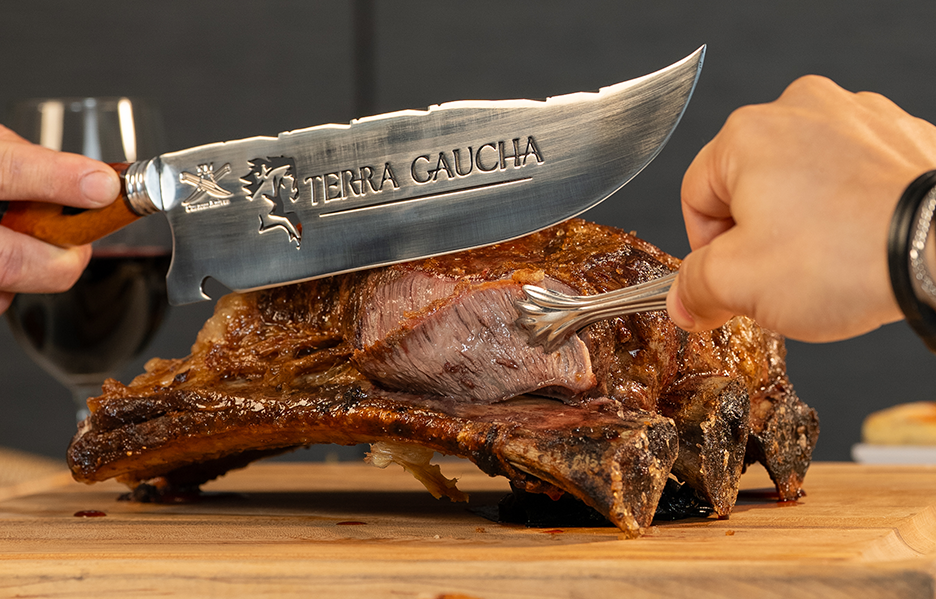
Traditional Preparation of Beef Ribs in Brazil
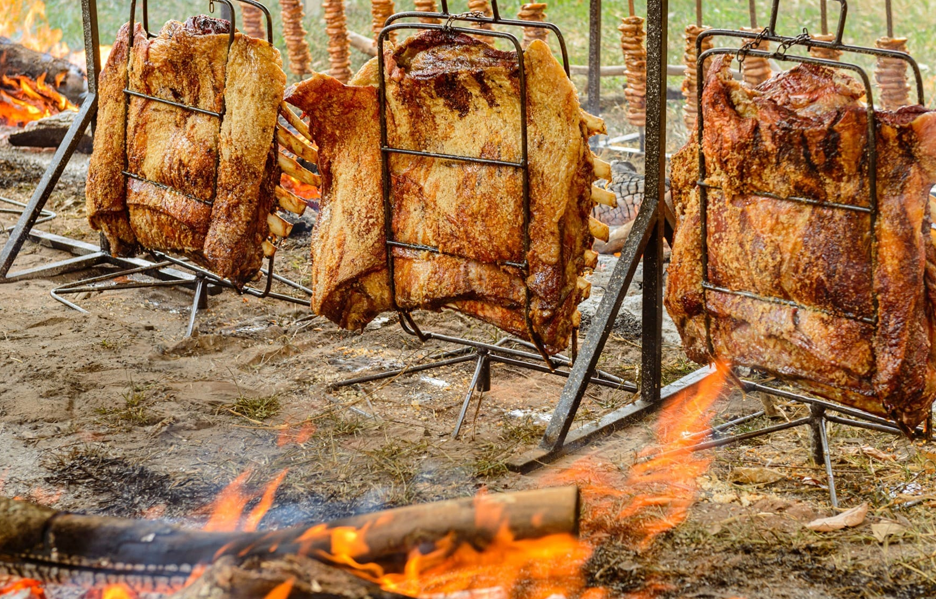
In southern Brazil, beef ribs are costela, and few dishes carry more weight in Gaucho culture. The state of Rio Grande do Sul sits in the pampas, wide open cattle country where the Gauchos built a cooking tradition around beef, fire and patience.
The method is strikingly simple. The ribs are seasoned with coarse sea salt and nothing else. Then comes the fire. Set on the ground beside glowing embers, the ribs roast slowly, often for six hours or more, until the outside forms a deep, rich crust and the meat inside is tender enough to pull from the bone.
That simplicity says a lot. Salt is a statement of confidence: when the beef is excellent, it does not need to hide behind anything. And a fire that takes all day does more than cook. A costela on the embers is often the centerpiece of a long weekend gathering, the reason the table fills up and nobody is in a hurry to leave.
That same philosophy guides every cut we carve at Terra Gaucha: great beef, simple seasoning, real fire. Explore the menu steakhouse lineup to see the full range.
Cooking Techniques for Perfect Beef Ribs
Two traditions dominate the world of beef ribs: low and slow smoking, and open fire roasting. Both reward the same virtue.
Low and Slow Smoking
Smoking holds the ribs in a steady range, usually between 225°F and 275°F, surrounded by hardwood smoke. Beef ribs are typically done when the internal temperature reaches about 200°F to 205°F, but the real test is feel: a probe should slide into the meat with almost no resistance.
Along the way, the ribs hit what pitmasters call the stall, somewhere around 150°F to 170°F, when moisture evaporating from the surface slows the climb. Do not raise the heat to rush it. Wait it out, or wrap the ribs to push through. For smoke management, aim for thin, clean smoke from well-seasoned wood. Thick white smoke leaves a bitter edge.
Open Fire Roasting
The Gaucho approach trades the smoker for a bed of embers. The heat comes from the coals, not the flames, and the cook controls it with distance: closer for color, farther for a gentle, steady roast. There is no thermostat. A master Gaucho chef reads the glow of the embers, the sound of the fat and the color of the crust. The result is a cleaner, more direct flavor, where beef and salt do all the talking.
Rest Before You Slice
Whichever method you choose, resting separates good from great. Let the ribs sit, loosely covered, for 30 minutes to an hour. The juices settle back into the meat instead of running onto the board, and every slice stays moist.
Patience is the most important ingredient in all of it. Heat, salt and wood are the same everywhere. What makes a tough cut a masterpiece is the willingness to let it take the time it needs.
Experiencing Authentic Beef Ribs at Terra Gaucha
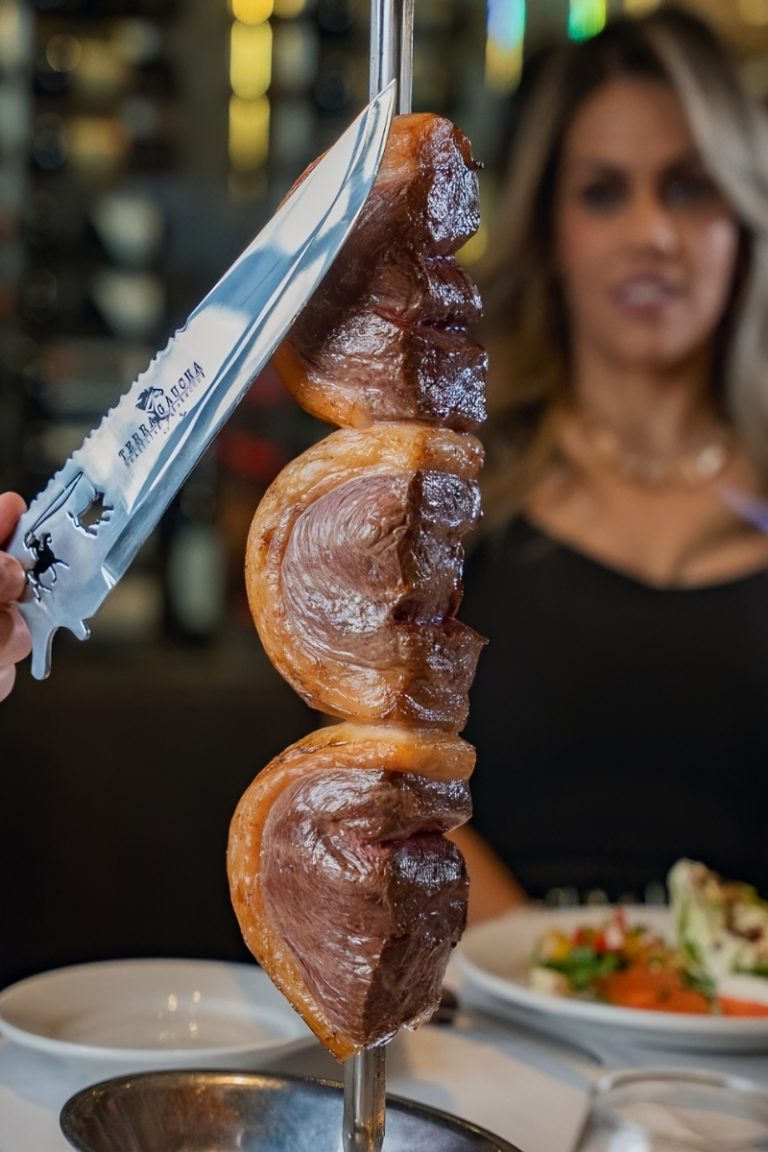
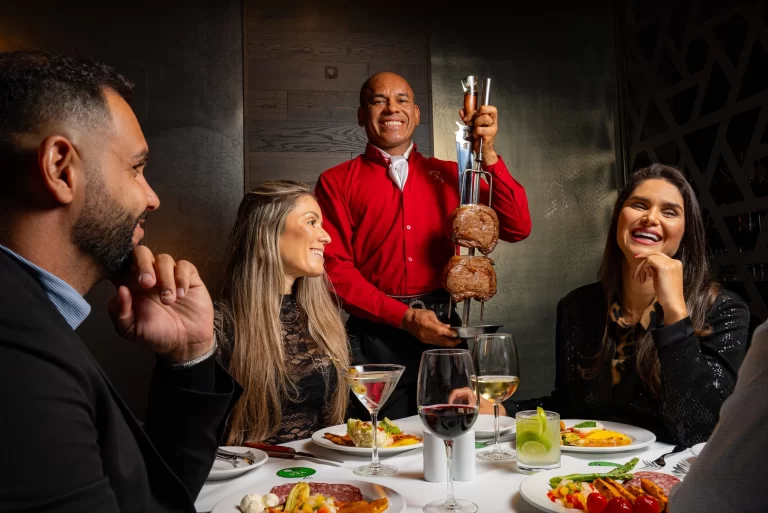
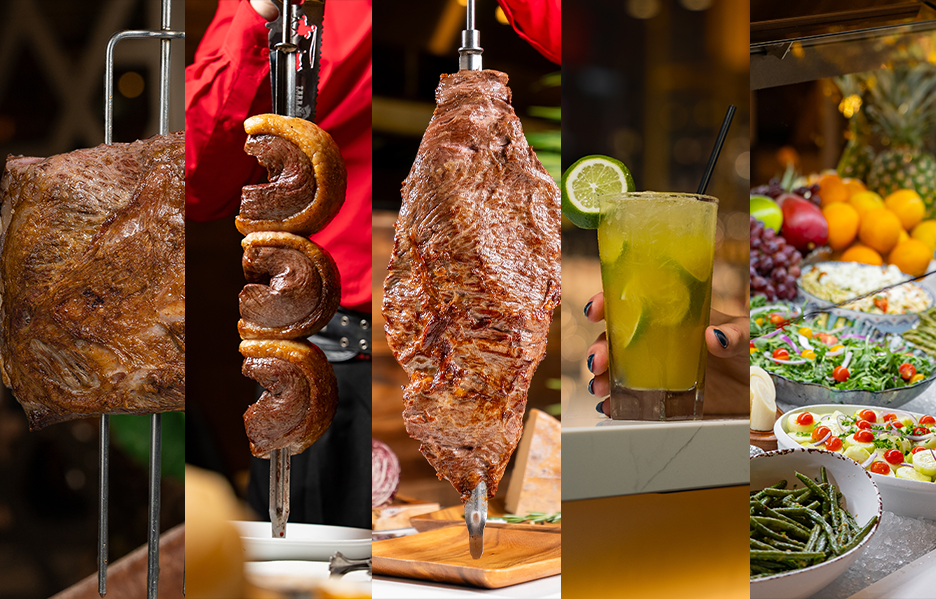
Hours over embers is one way to honor beef ribs. A table set for Churrasco is another. At Terra Gaucha, expert Gaucho chefs bring that tradition straight to you, carving premium cuts tableside and never slowing down, with no waiting and no skipped cuts.
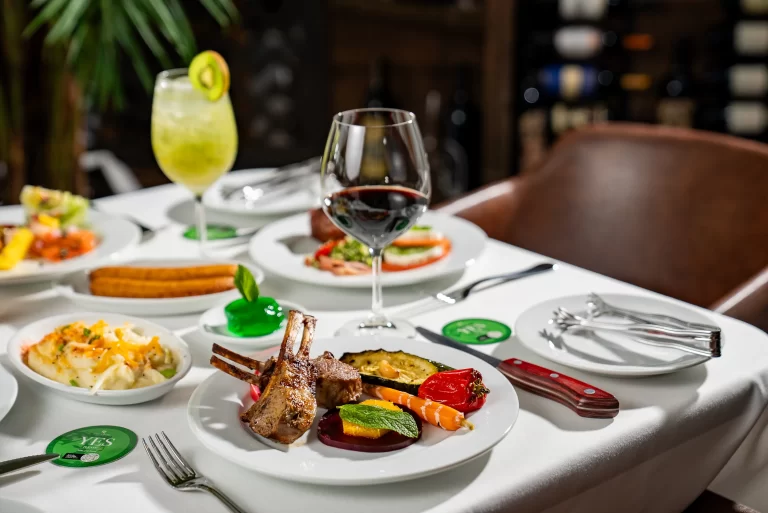
Beef ribs share the spotlight with Picanha, our house specialty, along with Fraldinha, filet mignon, lamb chops and more than 20 premium cuts in all. Between rounds, the Gourmet Hot and Cold Table keeps countless fresh options within reach, prepared in-house every day.
Every Terra Gaucha location follows the same approach, so the easiest next step is to find your nearest brazilian steak house near me and come hungry.
How to get the most out of your beef ribs at the table:
- Start with a sampler. Try the beef ribs next to Picanha and Fraldinha. Each one cooks differently, and tasting them side by side is half the fun.
- Balance the richness. Beef ribs are bold, so pair them with something fresh from the Gourmet Hot and Cold Table.
- Order a Caipirinha. Brazil’s most iconic cocktail, with a bright lime finish that cuts right through rendered fat.
- Tell your Gaucho what you are craving. The carvers keep moving, so ask for the cut you want and it arrives at your pace.
- Book before you go. The simplest way to secure your table is to make a reservation online.
Great beef ribs prove that the best things cannot be rushed. Take your time, bring good company, and let the Gauchos handle the fire.
Frequently Asked Questions
What are beef ribs and how are they prepared?
Beef ribs are a rich, flavorful cut taken from the rib section of the cattle, prized in barbecue traditions around the world. Slow cooking is essential: low, steady heat breaks down the connective tissue and renders the fat, leaving tender meat that pulls easily from the bone with deep, smoky flavor.
How do beef ribs compare to other popular steak cuts?
Lean steaks cook quickly over high heat. Beef ribs ask for patience because of their generous marbling and robust bone structure. In return, they deliver a more intense beef flavor and juicier texture than most steaks, which is why they are a favorite among Churrasco lovers.
What is the Brazilian equivalent of beef ribs?
In Brazil, beef ribs are called costela, one of the most cherished cuts in southern Churrasco culture. Traditionally, Gauchos roast them for hours over an open fire built on the ground, which concentrates the natural juices and builds a deep crust without heavy sauces or complicated marinades.
Where can you experience authentic Brazilian beef ribs?
For authentic Brazilian beef ribs prepared in the traditional Gaucho style, visit a steakhouse dedicated to Churrasco. Search for a brazilian steak house near me and choose one where the cuts are carved tableside, bringing the genuine flavors of southern Brazil to your table with exceptional service.
Why are beef ribs so popular in traditional Churrasco?
Beef ribs hold legendary status in Churrasco because long roasting over a wood fire transforms a tough cut into a melt-in-your-mouth delicacy. Simple seasoning, patient technique and high quality beef come together to make them a highlight for anyone exploring traditional steakhouse dining.